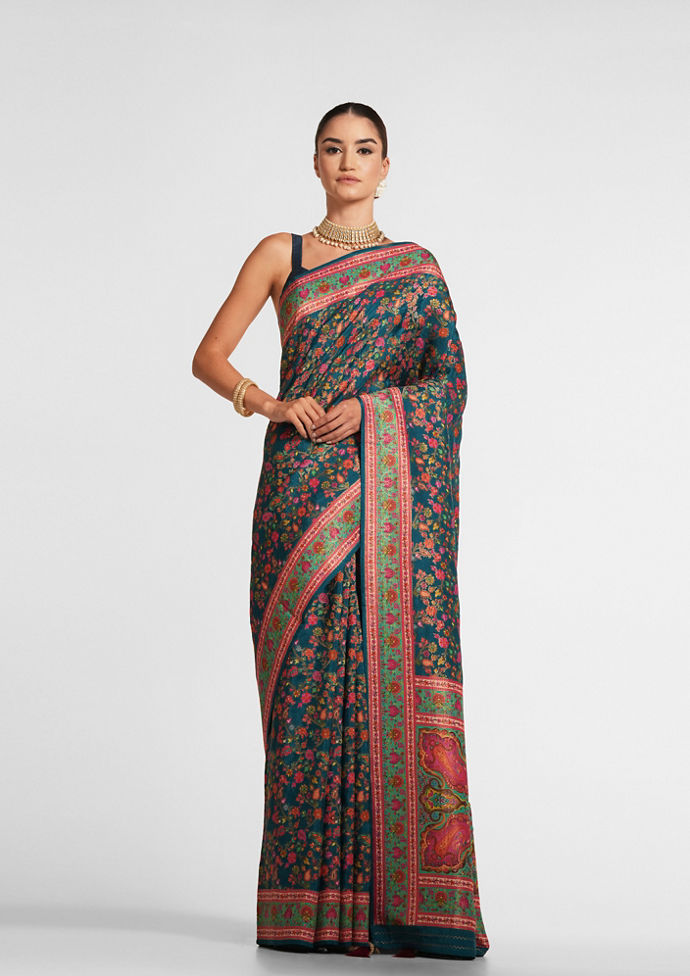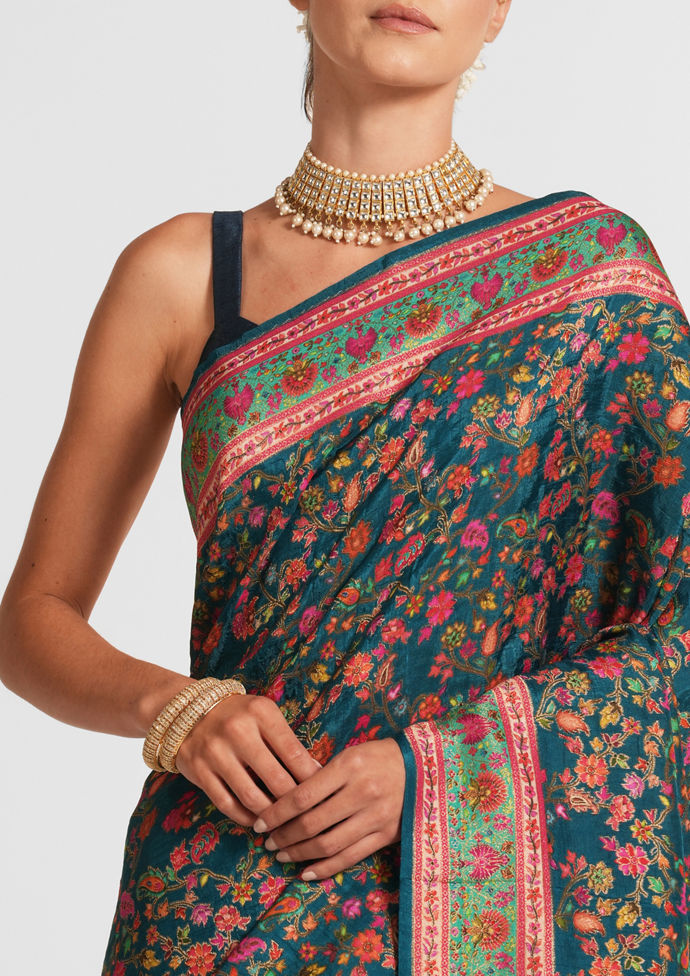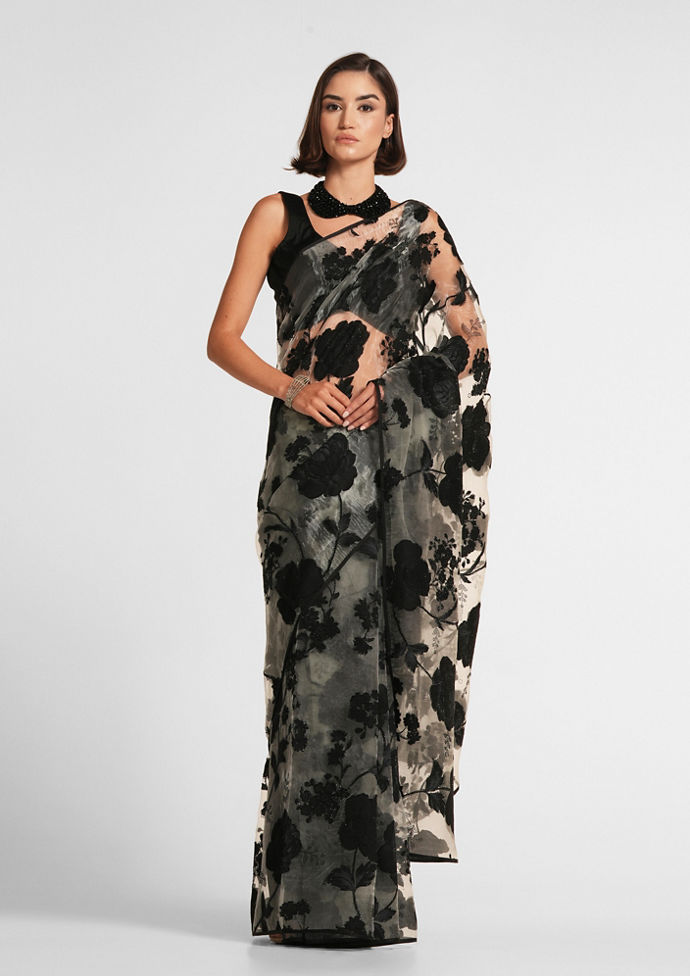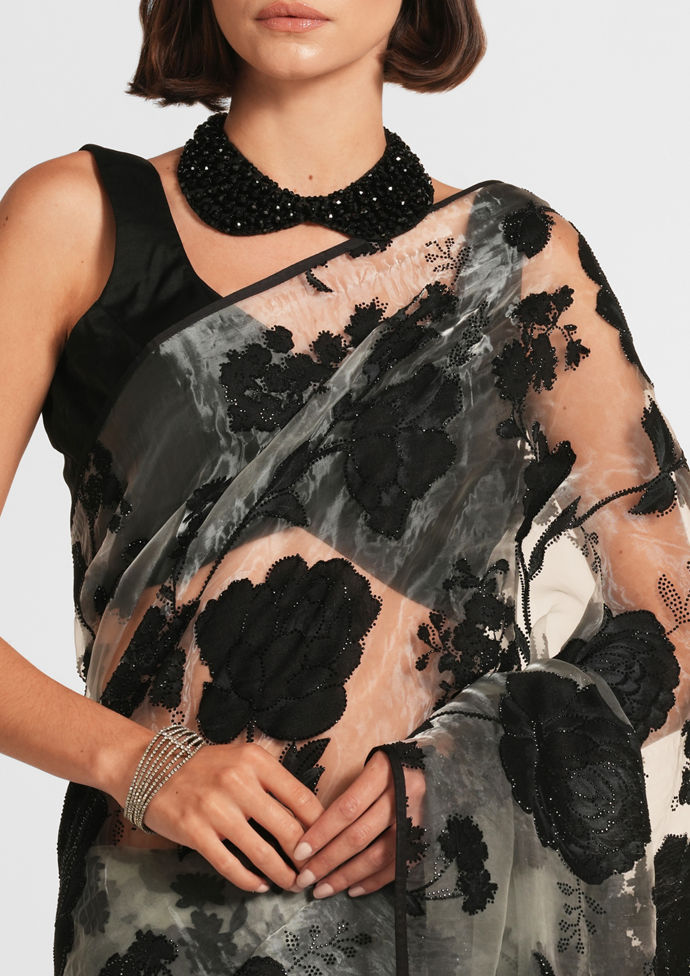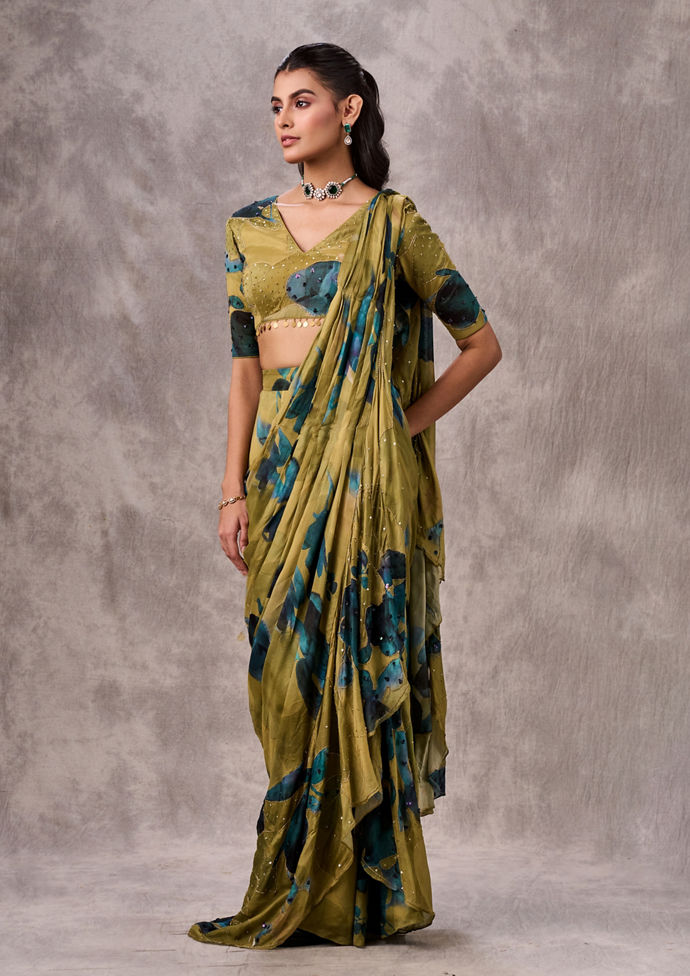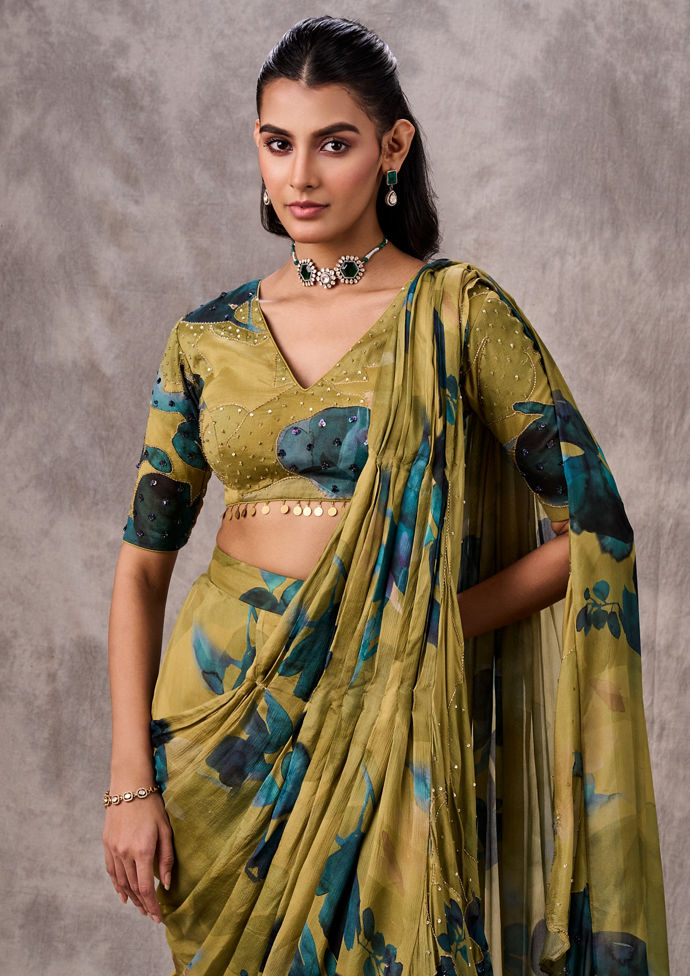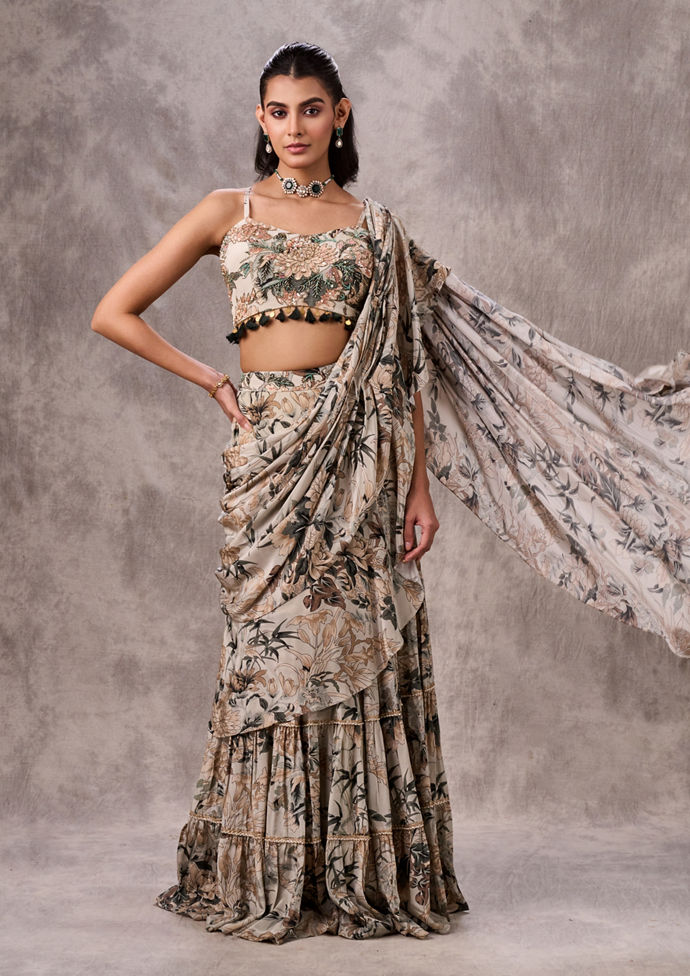
Floral Saree
17 PRODUCTS
Filter

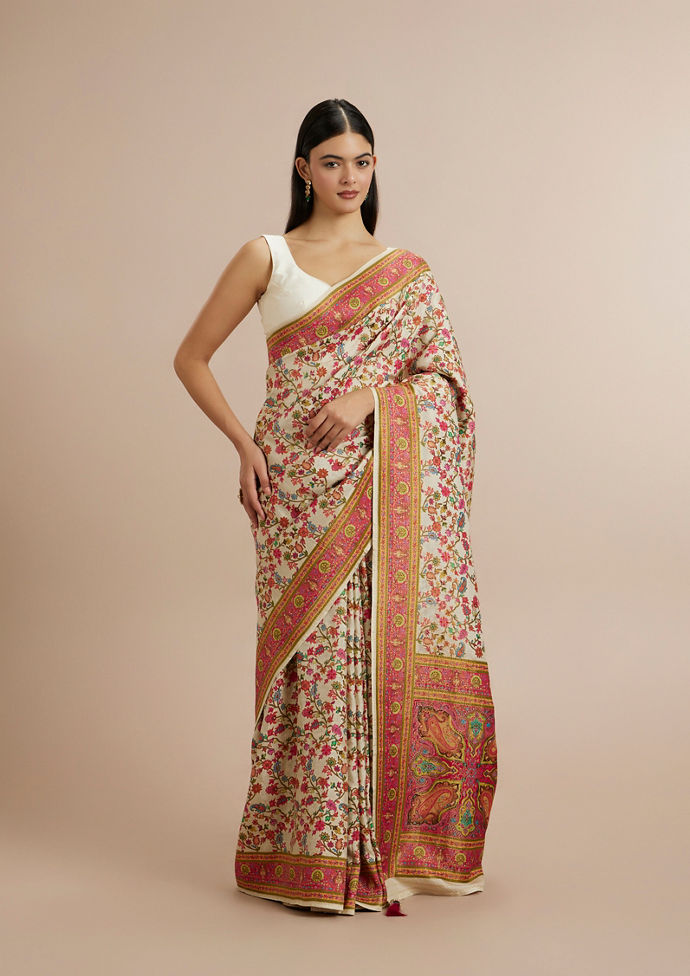
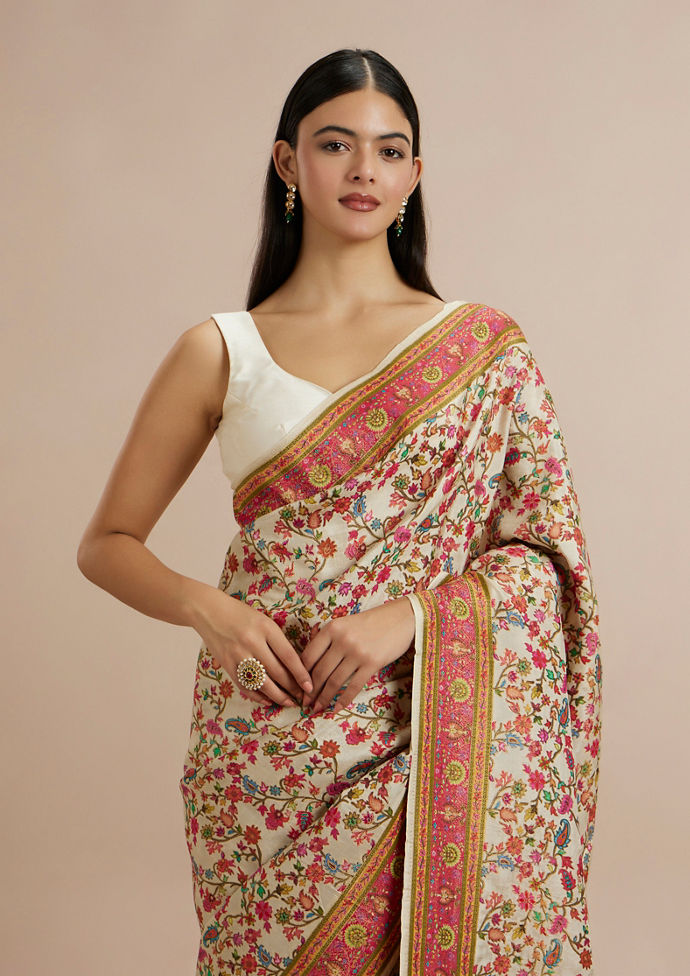
A floral saree brings grace and sophistication to any celebration, weddings, festivals, family gatherings. We craft occasion wear that honors traditional artistry while staying current. Our floral saree collection uses premium fabrics like silk, organza, and tissue, paired with refined embroidery techniques including zardozi and resham thread work.
whether you are a wedding guest, celebrating a festival, or seeking elegant casual luxury wear, our floral print sarees come in jewel tones, pastels, and classic hues. Each piece drapes beautifully and feels confident to wear, with careful attention to weight, sheen, and embroidery placement. We know occasion wear is personal, our styles let your individuality come through refined craftsmanship.
Browse the collection below to find floral sarees for your celebration, see what makes each design distinct, and get styling guidance to complete your look.
Floral sarees work well for weddings, festivals, and celebrations because they pair romantic elegance with versatile styling. We craft our floral saree collection with premium fabrics like silk, organza, and tissue paired with refined embroidery techniques including zardozi and resham thread work. These designs work across multiple occasions, from wedding guest appearances to festive family gatherings, so you can wear one piece confidently to different events.
Our floral motifs are designed for specific occasions. Jewel tones like teal and deep wine suit formal weddings and receptions, while pastels and lighter hues work well for daytime festivals and casual celebrations. Each design places embroidery with care to enhance drape and movement, so the saree feels as elegant to wear as it looks.
We specialize in luxury occasion wear crafted with impeccable artistry. Every floral saree in this collection uses premium materials and traditional embroidery methods that preserve the integrity of both fabric and design. All pieces require dry clean only care to maintain the embroidery detail and fabric quality over time.
This collection includes a range of floral sarees with specifications like fabric content, weave type, and care requirements listed for each piece. Each flower saree is presented with its dimensions, weight, and recommended washing instructions to help you understand how to maintain the garment over time.
The sarees use different fabric blends and weave structures that affect drape, durability, and maintenance. Details on each fabric option appear with the individual pieces.
You'll find a variety of color options and floral patterns across the collection, from traditional to contemporary designs. Options range from white sarees with botanical motifs to jewel tones with intricate flower work, suited to any occasion and personal style.
Start by thinking about where you'll wear the saree. A formal event calls for a different approach than a casual gathering or family celebration. Once you know the setting, the dress code becomes clearer, whether you need something traditional, semi-formal, or relaxed.
The fabric you choose affects how the saree feels and moves. Cotton and linen work well in warm weather, while silk and blended materials suit cooler months or formal occasions. Consider the climate where you'll wear it and how much time you'll spend in the saree.
Certain colors and patterns complement different skin tones. Warmer skin tones often look good with jewel tones, oranges, and warm reds, while cooler skin tones tend to suit pastels, blues, and silvers. The scale of the floral print also matters, larger patterns can overwhelm smaller frames, while smaller prints may disappear on larger frames.
The way a saree drapes depends on your body shape and proportions. If you're taller, you may prefer a saree with a longer length or bolder patterns. Shorter frames often look better with smaller prints and fitted blouses. The width of the saree and how you pleat it can also enhance or minimize certain areas.
Floral sarees come at different price points, and quality varies by fabric, weave, and construction. Decide what you're willing to spend, then compare what you get at each level, durability, color fastness, and how well the fabric holds its shape over time.
Wedding guest sarees call for refined elegance, while bridal pieces demand opulence and drama. Festival wear offers lighter, more playful designs. Choose based on the event's formality and your role.
Silk drapes luxuriously and holds embroidery beautifully. Cotton breathes well for daytime events. Cotton-silk blends balance comfort with the grace of silk for versatile occasions.
Jewel tones like teal and deep wine suit festive celebrations. Pastels work for daytime and lighter occasions. Traditional reds and golds remain timeless for weddings and formal events.
Entry-level pieces offer quality basics for regular wear. Mid-tier options feature premium fabrics and embroidery. Investment pieces use silk, organza, and intricate zardozi or resham thread work.
A floral saree pairs well with jewelry that complements rather than competes with the pattern. For a flower saree with dense blooms, choose simple gold or silver studs and a matching bracelet to let the design remain the focal point. Statement necklaces work best with solid-colored blouses paired underneath; if your blouse is also patterned, keep neck jewelry minimal. Bangle sets in metal tones coordinate naturally with traditional styling, while delicate chains suit contemporary draping. Footwear, whether sandals, heels, or traditional mojris, should echo the metal tone of your jewelry for visual cohesion.
The blouse you choose transforms how a floral saree reads. A solid-colored blouse in a shade pulled from the saree's border or background creates balance and lets the floral pattern breathe across the pallu and body. Contrasting blouses, deep jewel tones against lighter florals, or cream against darker prints, add visual drama for formal events. For a floral saree for women worn in casual settings, a matching printed blouse in a toned-down version of the saree's pattern unifies the look without overwhelming it. Sleeveless, short-sleeved, and three-quarter designs all work; choose based on the occasion and your comfort level with arm coverage.
Hand washing in cool water with mild detergent protects the dyes in a floral white saree and other printed designs. Avoid soaking for extended periods, as this can cause color bleeding, especially in first washes. Rinse thoroughly until water runs clear, then gently squeeze out excess moisture without wringing. Dry in shade, never in direct sunlight, which fades florals over time. Store folded sarees in cotton bags or tissue paper in a cool, dry cupboard away from moisture and pests. For silk or delicate blends, add a sachet of neem leaves or camphor to deter insects without staining the fabric.
Floral patterns suit spring and summer celebrations naturally, when lighter fabrics and bright blooms feel seasonally appropriate. Monsoon calls for deeper floral tones, burgundy, teal, or forest-green backgrounds, paired with heavier cotton or silk blends that resist dampness. Winter florals work in jewel-toned backgrounds with metallic accents; layer with a shawl or dupatta in a solid color for warmth. A floral saree for women attending daytime weddings or garden events benefits from pastels and lighter draping, while evening occasions pair better with saturated colors and structured pleating. Cotton florals suit daily wear and informal gatherings year-round, whereas silk florals transition well between seasons when chosen in versatile color palettes.
Dry clean only to preserve embroidery and fabric quality. This protects metallic threads and keeps the print vibrant over time. For a floral saree with intricate threadwork, avoid machine washing and tumble drying, which can damage delicate stitching and fade colors. Store in a cool, dry place away from direct sunlight to maintain the design's brightness.
Yes. Choose deeper tones like teal or wine for formal ceremonies, and lighter hues for daytime functions. A floral white saree or cream base works well for daytime wedding events, while jewel-toned flower saree options suit evening celebrations. Avoid white or off-white if the bride traditionally wears those colors in your community, and pair your choice with traditional jewelry to complete the look.
A solid-colored blouse in a shade from the saree's border creates balance. Contrasting jewel tones add drama for formal events, while matching tones unify the look for casual wear.
Warmer skin tones complement jewel tones, oranges, and warm reds. Cooler skin tones suit pastels, blues, and silvers. Test colors against your skin before you buy.
We accept returns and exchanges on unworn pieces within a reasonable timeframe. Contact our care team at care@twamev.com for help with your order. Items must be in original condition with tags attached. If you received a floral saree for women that does not match your expectations or fit, we can process an exchange for a different design or size at no extra charge.
Floral Saree Price List
Floral Saree
Price (₹)
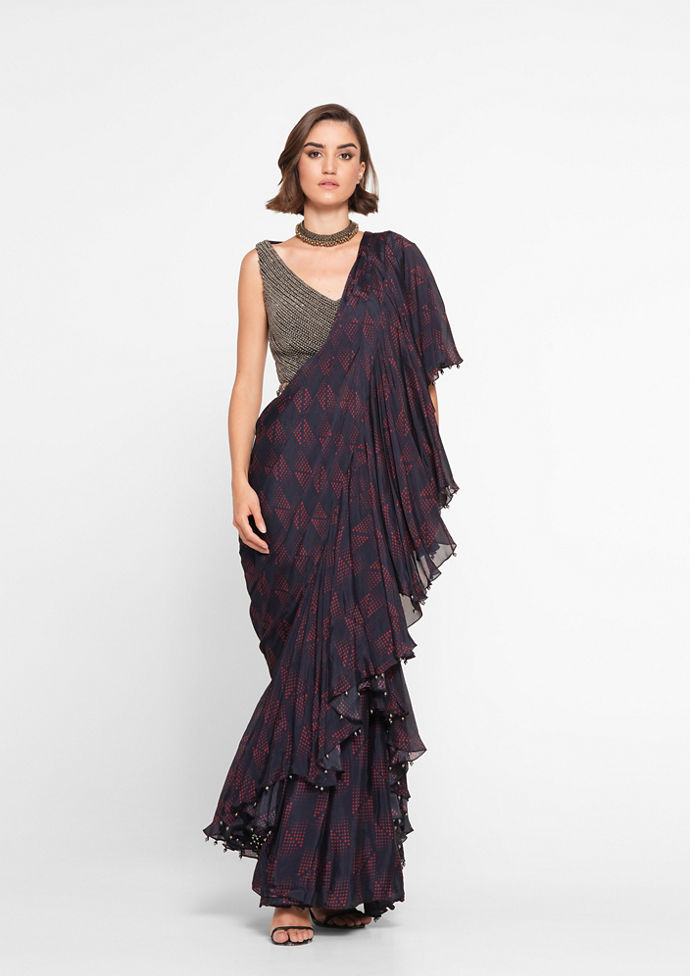
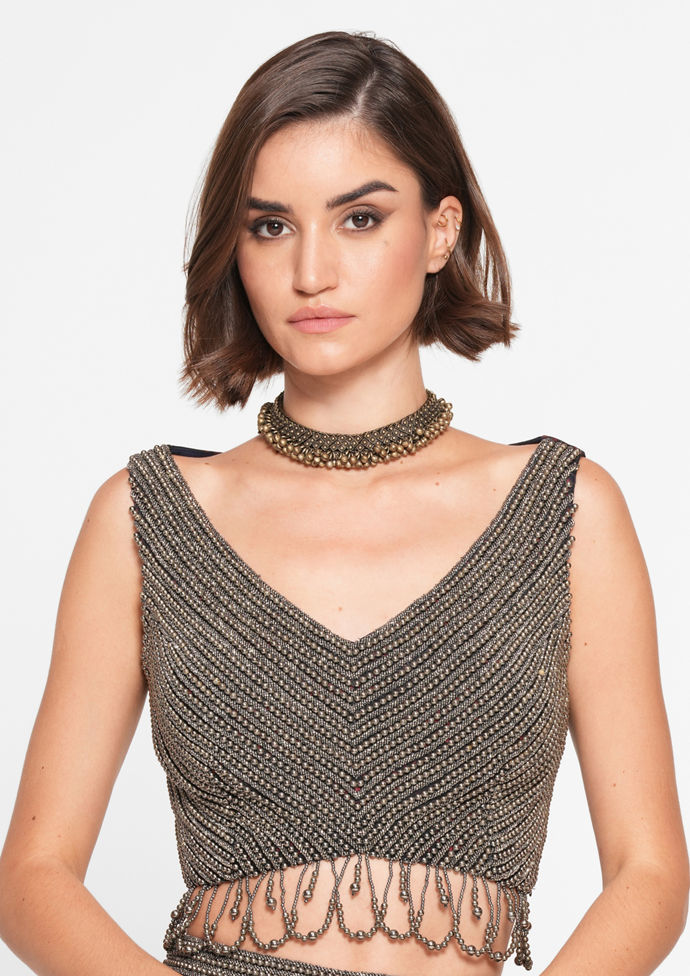
Indigo Blue Viscose Floral Printed Bead Work Ruffle Draped Saree
A$ 1,280
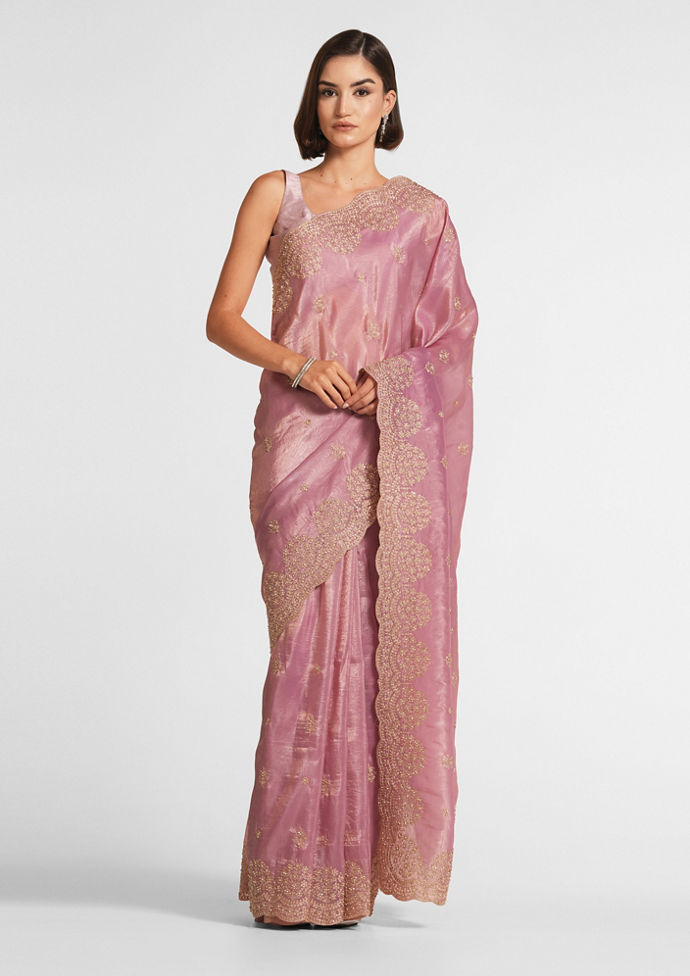
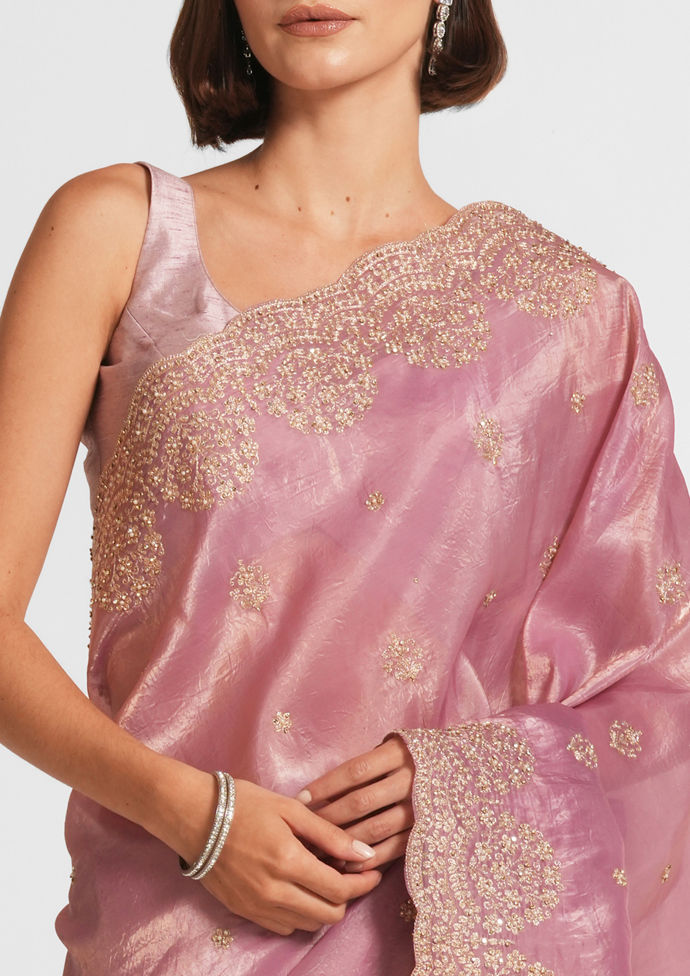
Dusty Pink Organza Zari Floral Embroidered Saree
A$ 480
Teal Blue Silk Multicolour Floral Woven Saree
A$ 600
Black Organza Large Floral Velvet Applique Saree
A$ 1,400
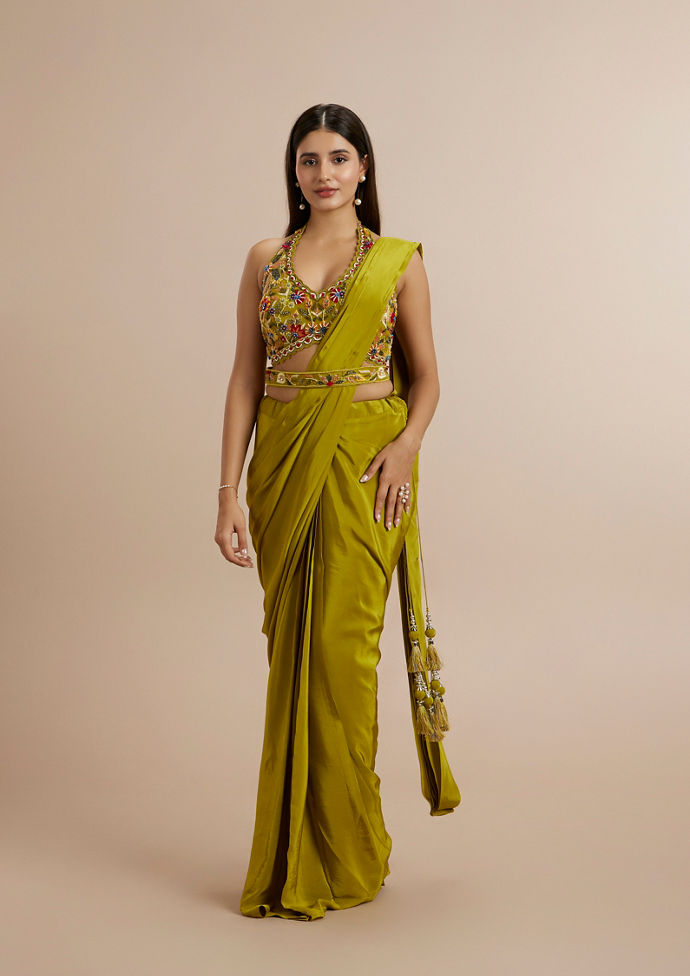
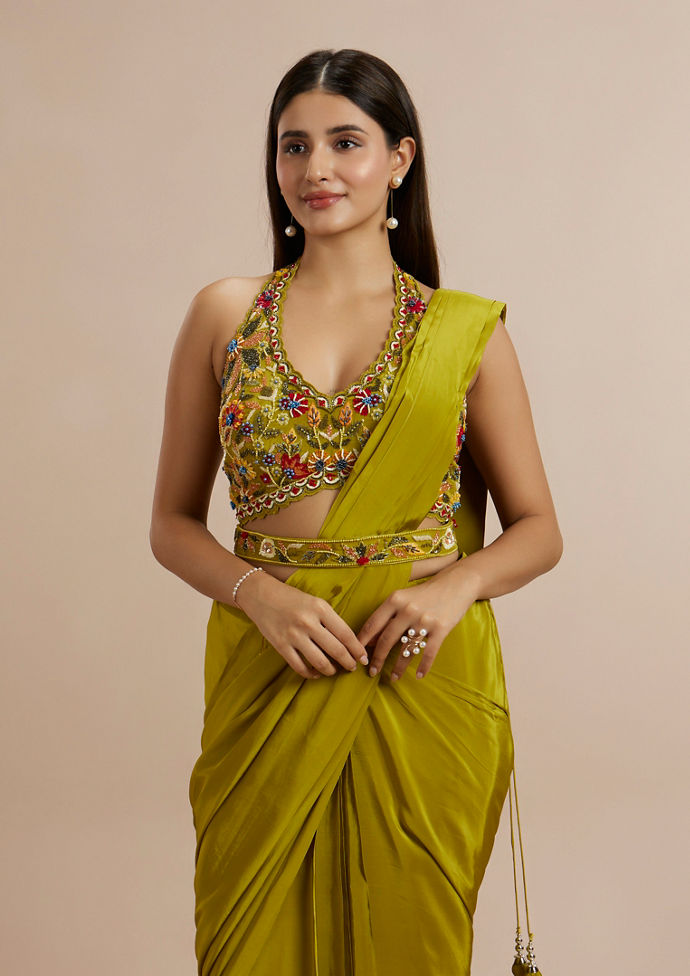
Olive Green Viscose Multicolour Floral Embroidered Halter Draped Saree
A$ 1,080
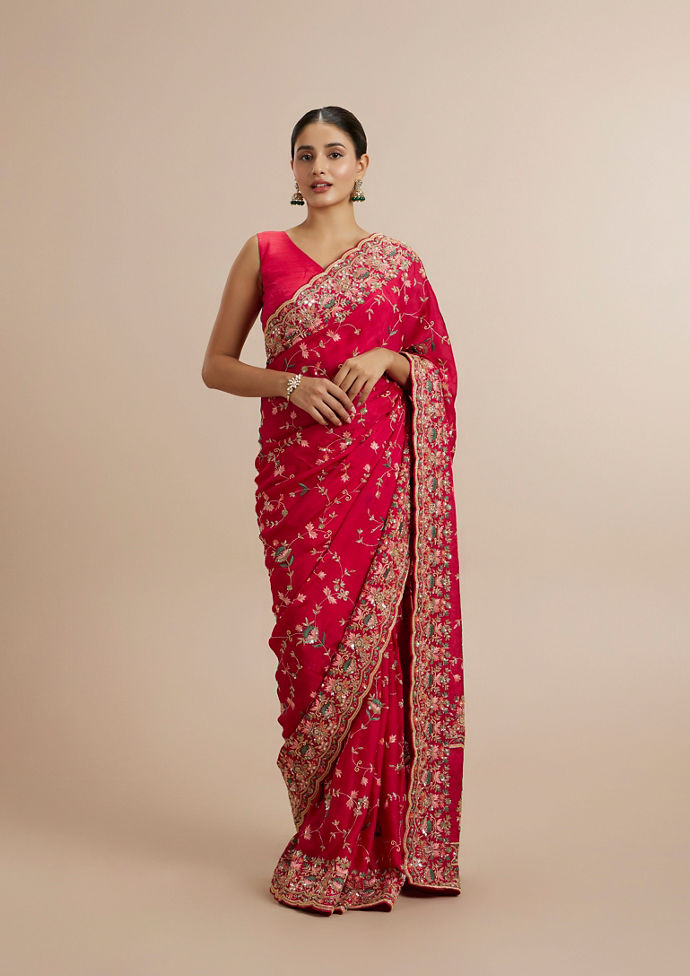
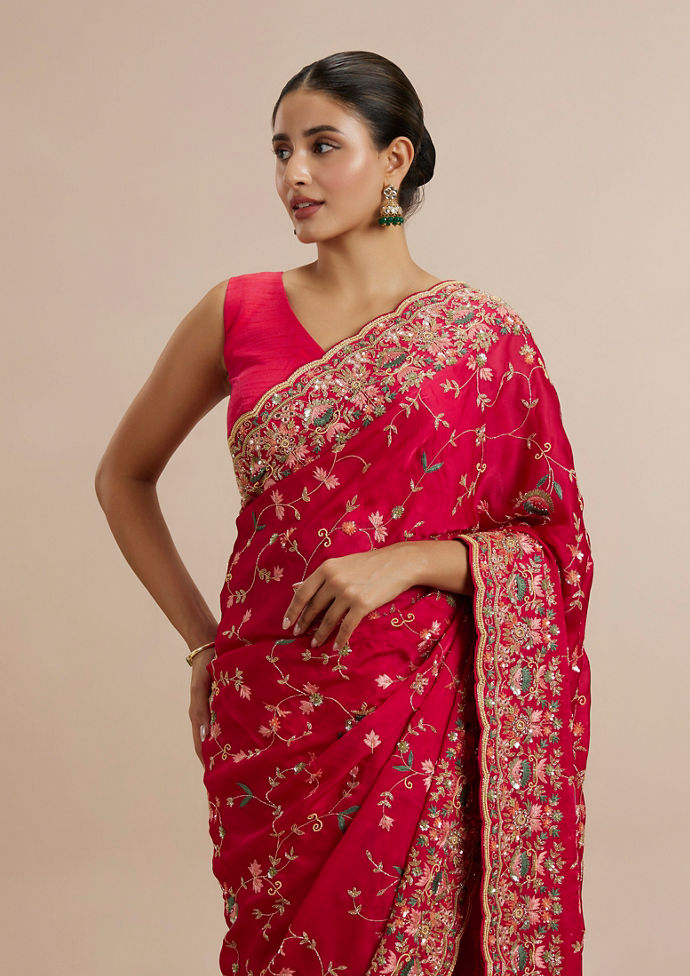
Rani Pink Georgette Multicolour Floral Resham Embroidered Saree
A$ 1,600
Cream Silk Multicolour Floral Woven Saree
A$ 600
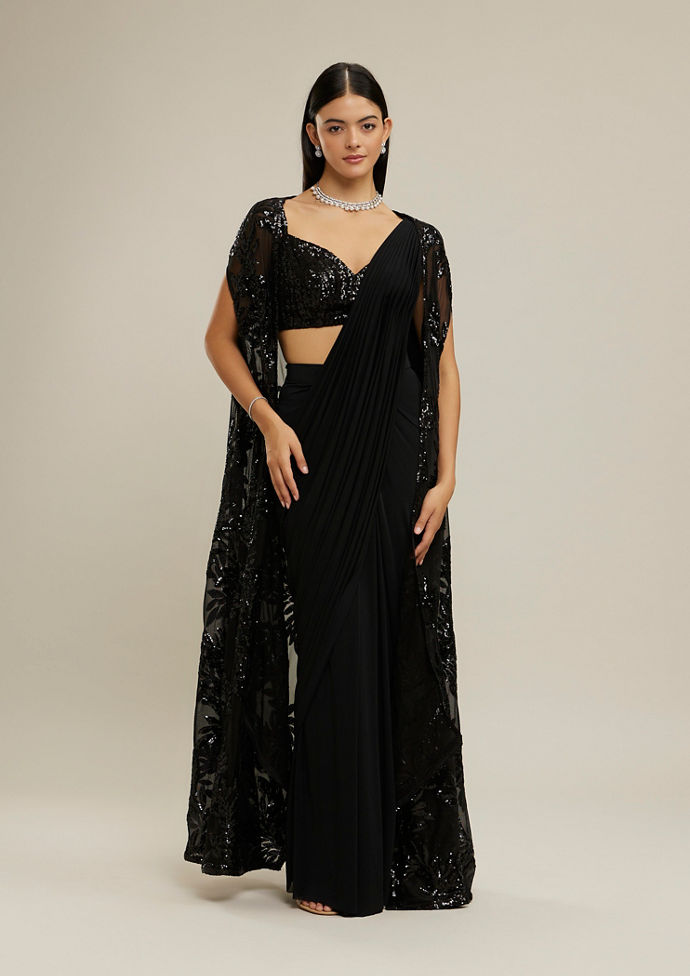
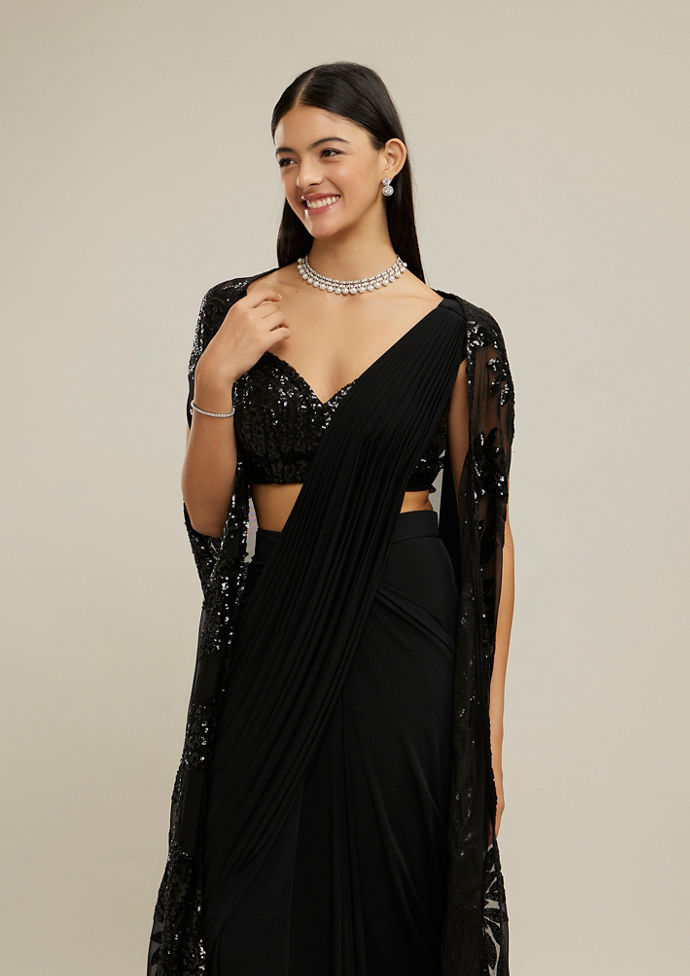
Black Georgette Sequin Floral Embroidered Cape Draped Saree
A$ 1,080
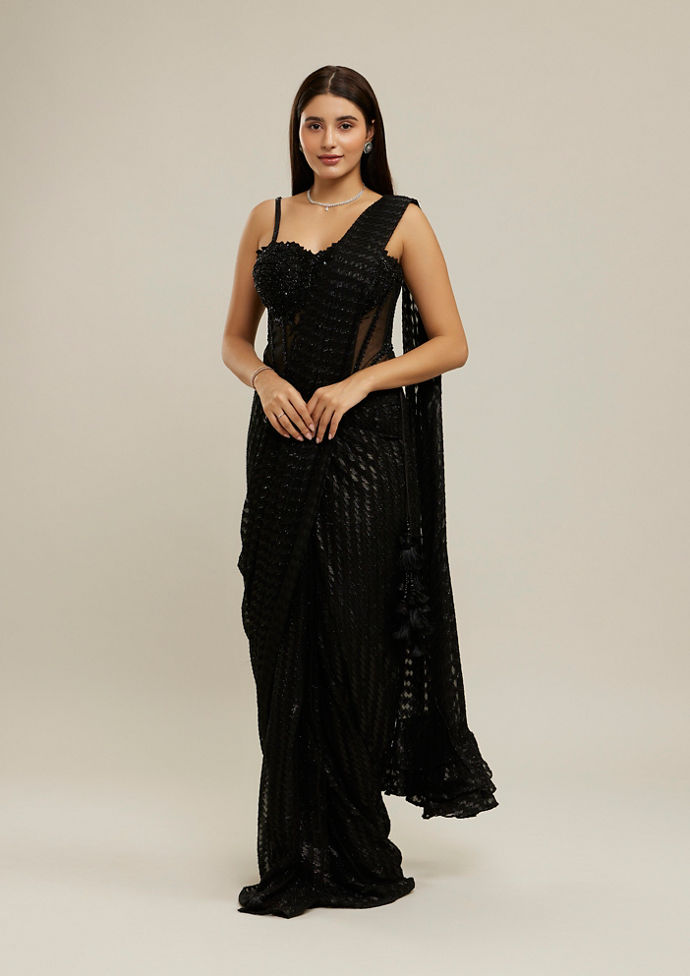
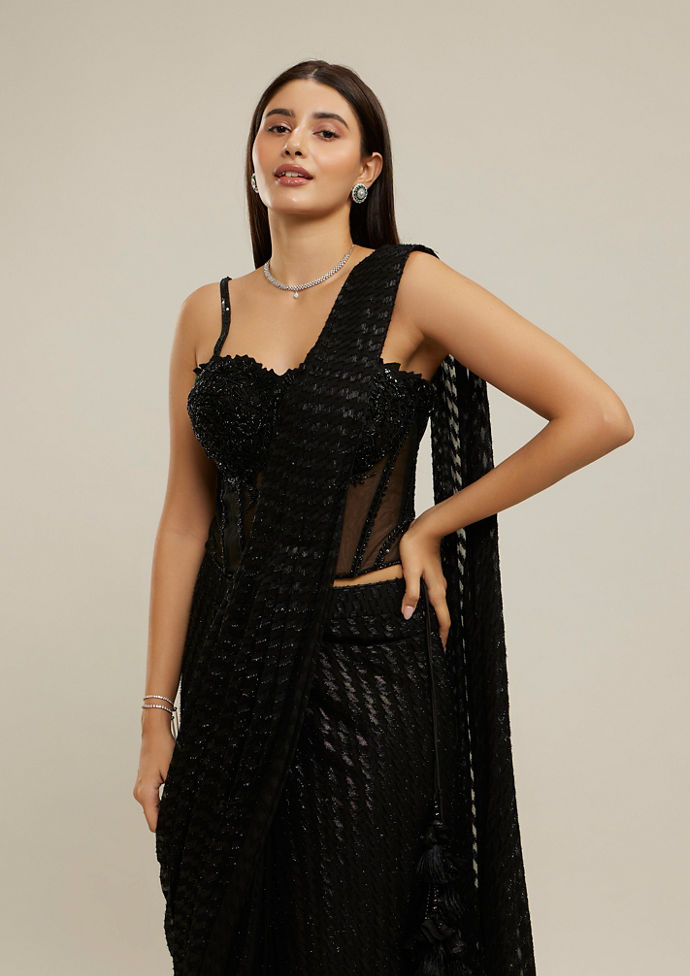
Black Georgette Velvet Floral Bead Work Corset Ruffle Draped Saree
A$ 1,080
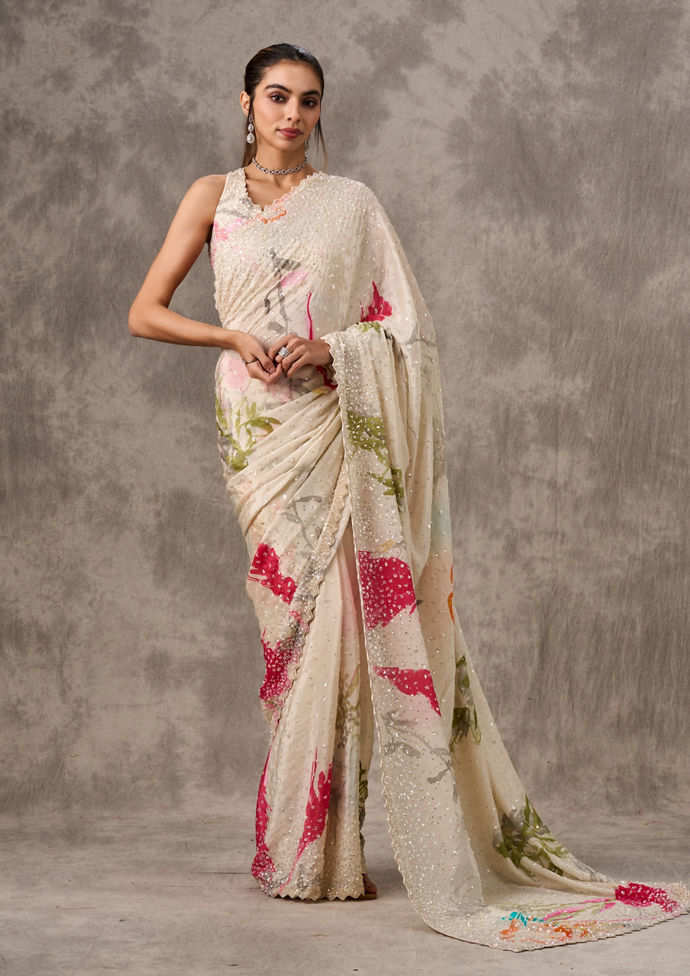
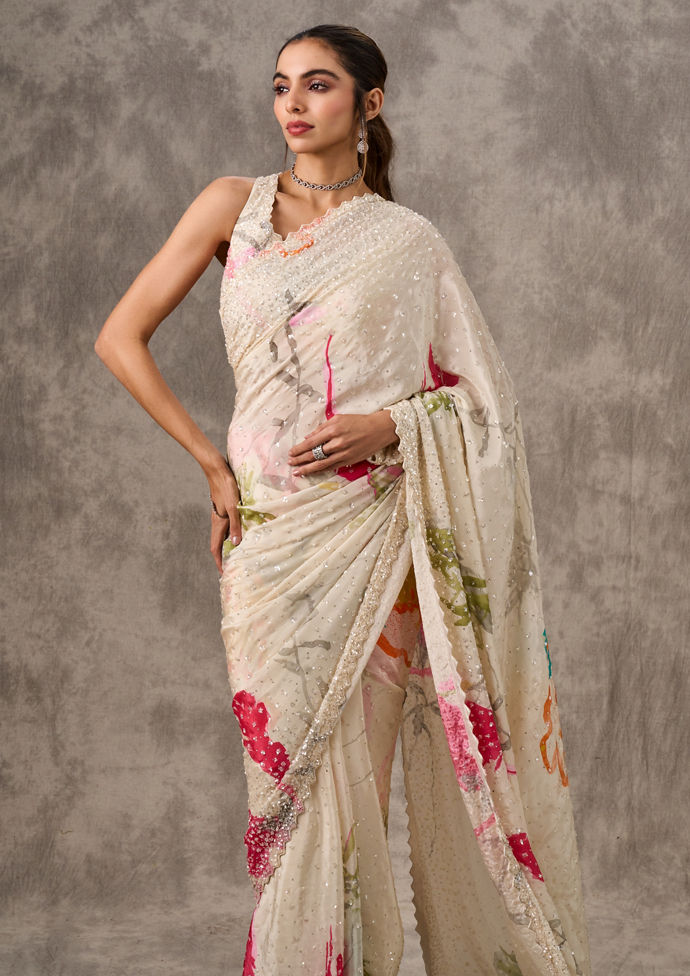
Cream Satin Floral Printed Sequin Embellished Saree with Embroidered Blouse
A$ 1,000





Login to access Twamev Member Exclusive Features like Video Commerce
Enter the email address associated with your Manyavar account
We’ll ask for this password whenever you sign in